

The landscape of high-end tourism is in a constant state of evolution, and as we approach a new era of exploration, the concept of luxury family travel for 2026 is being redefined. It is no longer simply about five-star hotels and first-class flights; it’s about creating a tapestry of memories through shared experiences that are as enriching as they are exclusive. For discerning families, this means moving beyond the conventional to embrace private-guided itineraries that cater to every generation. These journeys are meticulously crafted to foster connection, inspire curiosity, and provide a seamless, stress-free environment where the only focus is the joy of discovery. This shift emphasizes personalization, authenticity, and a level of service that anticipates needs before they even arise.
The Rise of the 3G Trip: Multi-Generational Luxury Travel in 2026
The most significant trend shaping luxury family travel is the surge in multi-generational, or '3G,' vacations, where grandparents, parents, and children embark on a shared adventure. These trips are designed to strengthen familial bonds and create a collective legacy of memories. The research data does not provide a specific statistic regarding the percentage of families planning multi-generational trips in 2026. Designing these complex itineraries requires a nuanced understanding of varying interests, mobility levels, and desired paces. The goal is to curate a seamless journey that includes something for everyone, from a private tour of the Vatican for the history-loving grandparent to a hands-on pizza-making class in Rome for the youngest travelers.
Successfully orchestrating a multi-generational trip hinges on selecting the right accommodations and a balanced itinerary. Sprawling private villas in Tuscany, interconnected suites in a Parisian palace hotel, or even a full buyout of a boutique property in the Greek Isles provide the perfect blend of communal spaces and private sanctuaries. The research data does not mention a company named 'Avantgarde Vacations' or its approach to multi-generational travel. It's about crafting a travel ecosystem where a private driver can take one part of the family to a renowned winery in Bordeaux while another enjoys a leisurely afternoon by the pool, all culminating in a shared gourmet dinner prepared by a private chef.
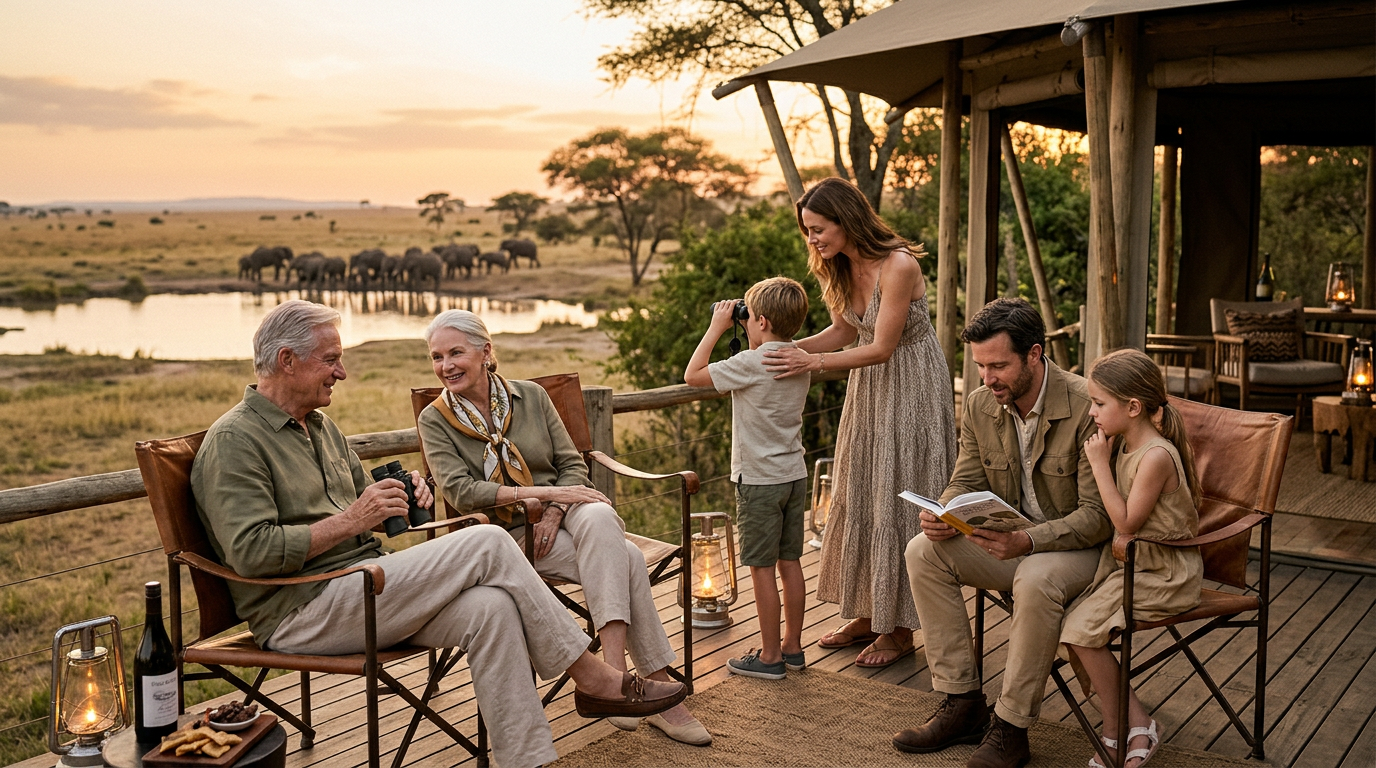
Destinations themselves are adapting to this trend, offering diverse activities that appeal across age ranges. South Africa, for instance, has become a premier choice for 3G trips. A sophisticated safari experience in a private Sabi Sands reserve can captivate all ages with expert-led game drives that are both thrilling and comfortable. Following the safari, the family can transition to the vibrant culture and stunning landscapes of Cape Town, staying in luxurious villas with panoramic ocean views. This combination of gentle adventure, cultural immersion, and five-star comfort makes it an ideal setting for a milestone family celebration or a simple reunion, solidifying its place as a top consideration for luxury family travel in 2026.
Edutainment Elevated: The New Era of Educational Family Travel
Modern luxury family travel prioritizes 'edutainment'—crafting journeys that are as intellectually stimulating as they are enjoyable, transforming destinations into living classrooms. The focus has shifted from passive sightseeing to active, hands-on learning, where children and adults alike can engage with a culture in a meaningful way. This is not about memorizing dates and names from a textbook; it’s about internalizing a destination’s spirit through immersive activities. Imagine a private workshop with a master artisan in Japan, where your children learn the delicate art of calligraphy, or a guided exploration of the Roman Forum where a classics scholar makes ancient history feel immediate and relevant for all ages. These experiences are curated to spark curiosity and create a deeper, more lasting connection to a place.
Destinations like Japan and Italy are archetypes of this educational approach. As luxury travel operator Black Tomato highlights, these countries excel at balancing cultural depth with family-friendly engagement. In Kyoto, a private tea ceremony can be adapted to hold the attention of younger participants, while in Florence, a bespoke tour of the Uffizi Gallery might include a scavenger hunt to identify famous works of art. The key is the expertise of the private guide, who can tailor their narrative to different knowledge levels and attention spans, ensuring every family member is not just present, but truly engaged. This form of luxury family travel in 2026 is an investment in a child’s global perspective.
Beyond classic cultural hubs, this trend extends to nature and science. A private-guided trip to the Galápagos Islands becomes a masterclass in evolutionary biology, with an expert naturalist leading explorations of the unique wildlife. In Costa Rica, families can explore unique wildlife and natural beauty.ipate in conservation efforts at a private reserve, learning about biodiversity firsthand. Even a European destination like Finland offers unique learning opportunities; a trip to Oulu, the 2026 European Capital of Culture, can be combined with expert-led Northern Lights expeditions and lessons in Sámi culture, turning a winter wonderland into an unforgettable educational journey.
The Villa as the Destination: Privacy and Personalization in 2026
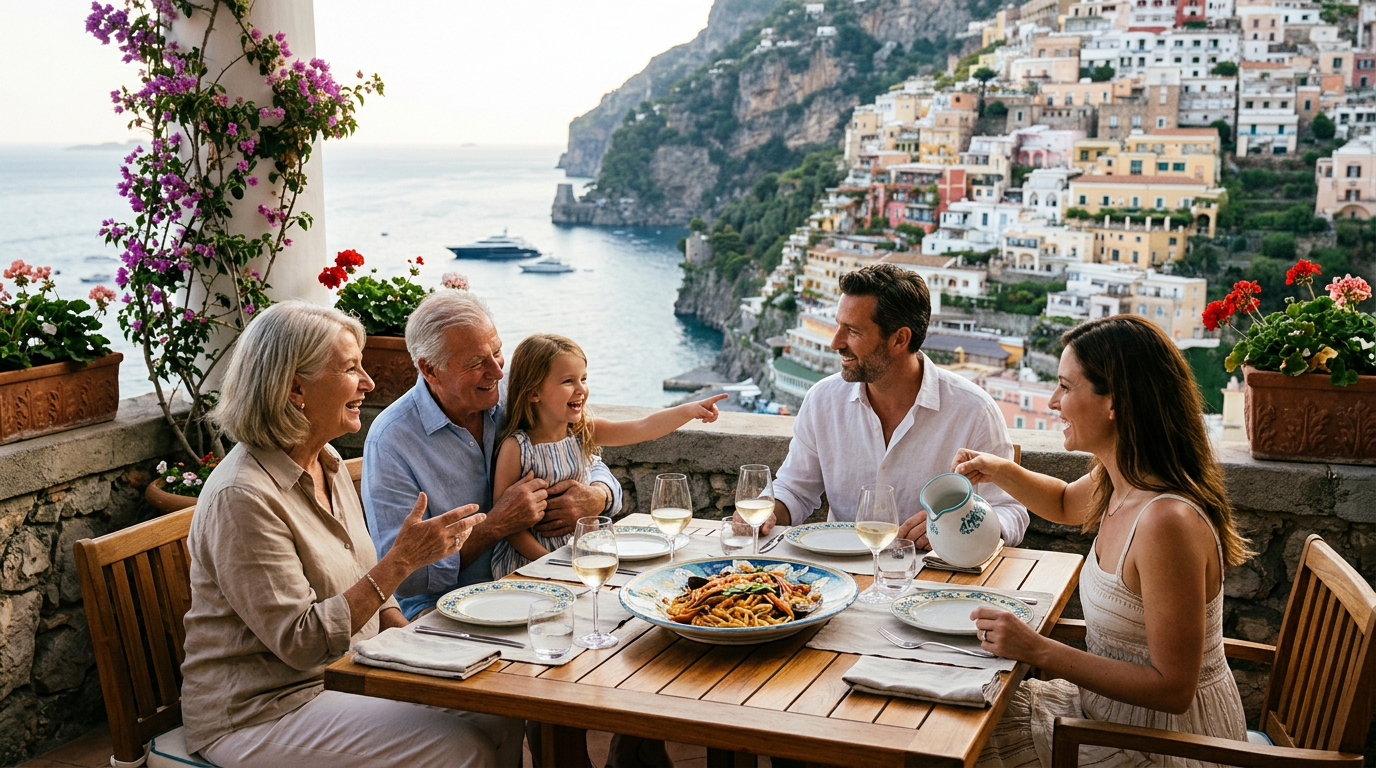
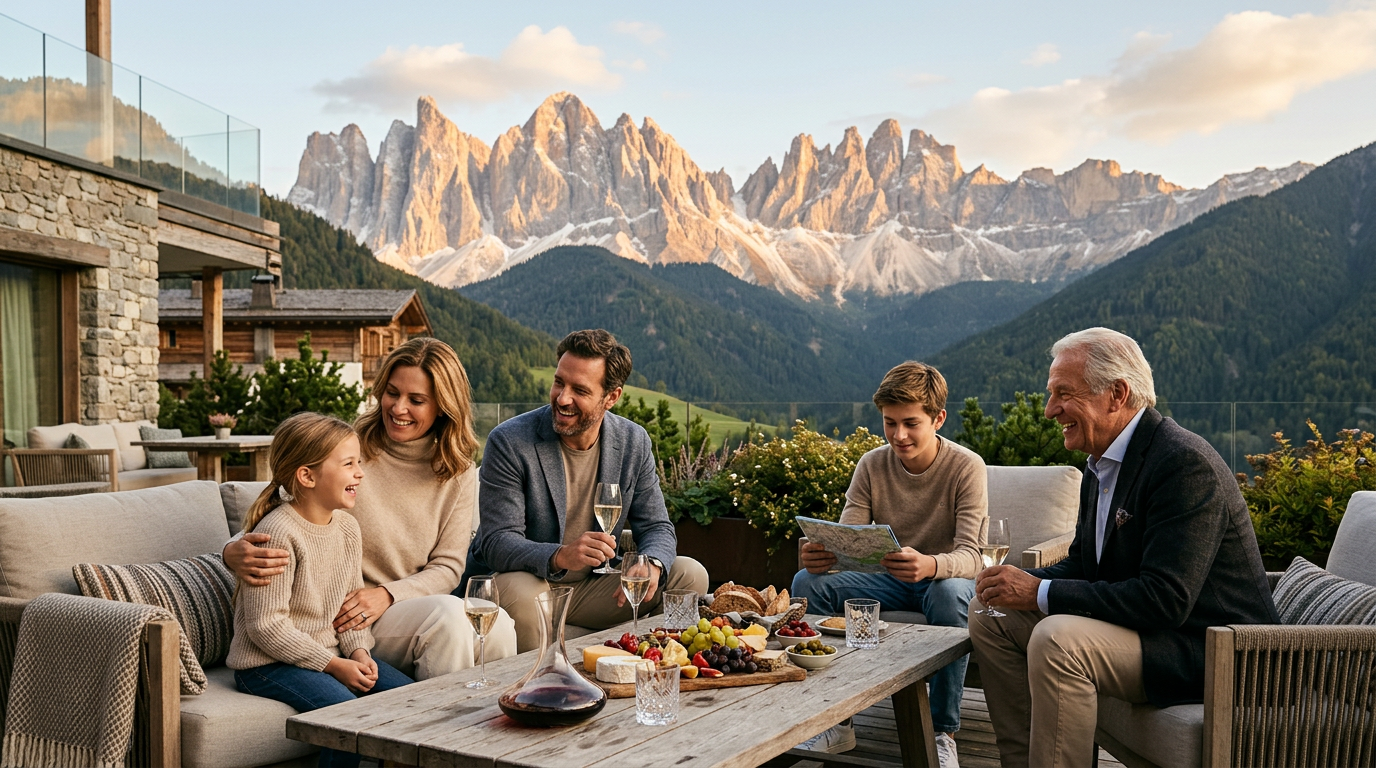
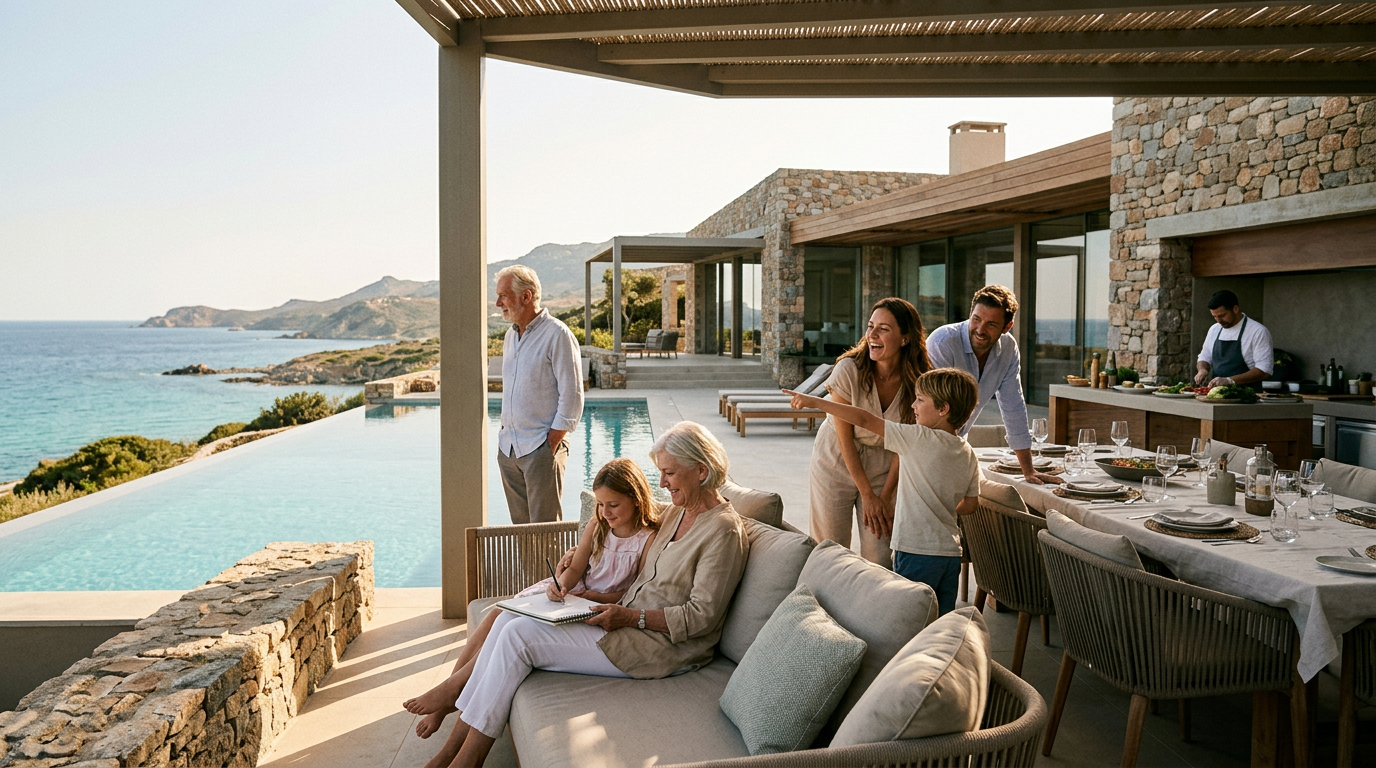
Increasingly, the choice of accommodation is becoming as important as the destination itself, with private villas and exclusive-use properties emerging as the gold standard for luxury family travel. These secluded retreats offer unparalleled privacy, control, and personalization that a traditional hotel stay cannot match. A private villa on the Amalfi Coast or a fully-staffed chalet in the Swiss Alps becomes a family's personal headquarters, a space where the rhythm of the day is dictated entirely by their preferences. This trend is driven by a desire for a more intimate and controlled environment, allowing families to connect more deeply without the distractions of other guests. It’s the ultimate expression of bespoke travel—a home away from home, elevated by five-star service.
The appeal of a private residence is amplified by the level of bespoke service it enables. A dedicated concierge can arrange anything from in-villa spa treatments and private yoga sessions to a celebrated local chef preparing customized meals. Daily itineraries are built around the family's wishes, facilitated by a private driver who is always on call. This model eliminates the logistical friction of travel, creating a truly seamless experience. For instance, a family staying at a private riad in Marrakech can explore the bustling souks with their guide, knowing they can retreat to their tranquil, private oasis at any moment for a quiet afternoon by the courtyard pool.
This preference for privacy doesn't mean sacrificing access to world-class amenities. Many of the most sought-after villas are part of larger luxury resorts or exclusive enclaves, offering a 'best of both worlds' scenario. Families can enjoy their private pool and dining terrace while also having access to the resort's beach club, restaurants, and kids' programs. Properties like the Rosewood Mandarina in Mexico, noted by Ourisman Travel for its high-impact luxury, exemplify this model with standalone villas that feel completely private yet are connected to a wealth of premium facilities. It’s this combination of seclusion and access that defines the future of high-end family lodging.
Beyond the Beach: The Rise of Adventure and Experiential Trips
While relaxing beach vacations remain a beloved staple, there is a definitive shift toward more active and experiential journeys for luxury family travel in 2026. Discerning families are increasingly seeking out transformative adventures that challenge and inspire them, moving beyond passive sunbathing to engage with their destination in a more dynamic way. This doesn't mean sacrificing comfort; rather, it’s about 'soft adventure'—thrilling experiences supported by a framework of luxury. Think less rugged backpacking and more helicopter tours over Icelandic volcanoes, followed by a gourmet meal at a remote luxury lodge. The goal is to create core memories through unique, shared accomplishments.
This trend is fueled by a desire to expose children to a wider world of possibilities. Destinations that offer a rich tapestry of experiences are in high demand. Morocco, for example, allows a family to journey from the vibrant imperial city of Fes to a luxury desert camp in the Sahara for a night of stargazing, all within a single private-guided itinerary. In Scotland, families can reside in a historic private castle, learning ancient skills like falconry and archery from local experts, as highlighted by Black Tomato. These are not just vacations; they are narrative journeys where each day brings a new chapter of discovery and engagement.
The role of the expert planner is paramount in crafting these sophisticated adventures. An experienced travel advisor can seamlessly weave together logistics, ensuring every transfer, activity, and accommodation meets the highest standards of safety and comfort. They can secure permits for exclusive access, book the most knowledgeable local guides, and anticipate the needs of travelers of all ages. Whether it’s chartering a private yacht to explore the hidden coves of the Greek Isles, as one might do after reading about a September escape, or arranging a private after-hours tour of a Florence museum, the value lies in a flawlessly executed, stress-free adventure that feels both exhilarating and effortless.
Planning Your 2026 Luxury Family Itinerary
The key to a successful luxury family vacation in 2026 lies in early and collaborative planning with a travel expert. A bespoke journey is not an off-the-shelf product; it is a co-created masterpiece, designed around a family’s unique passions, personalities, and practical needs. The process begins with an in-depth conversation to understand the travel style and goals of each family member. Are you seeking cultural immersion, active adventure, or pure relaxation? What does a perfect day look like for each person? This dialogue is the foundation upon which a truly personalized itinerary is built, ensuring that every moment of the trip resonates with your family.
One of the most valuable aspects of working with a specialist is their deep, firsthand knowledge of destinations and suppliers. They can offer insights that go far beyond a generic travel guide, recommending a specific hotel suite with the best sunset view or a private guide whose storytelling ability is particularly captivating for teenagers. This expertise is crucial for navigating the complexities of multi-destination trips or logistically intensive experiences like an African safari. As one traveler noted of their Scott Dunn-planned trip to Japan, the attention to detail, especially with a young child, and the quality of the guides made all the difference, ensuring a seamless and enriching experience.
As we look toward 2026, the art of travel planning has become more sophisticated, moving beyond simple logistics to encompass a holistic vision for the family's experience. It’s about charting a course for discovery that feels both elevated and deeply personal, a philosophy central to The Art of European Luxury Travel. By entrusting the intricate details to a dedicated expert, you are free to focus on what truly matters: being present with your loved ones and immersing yourselves in the magic of your shared journey. The ultimate luxury, after all, is time—and a perfectly planned trip ensures not a moment of it is wasted.