



Embarking on a journey through Europe is to walk through the pages of history itself, but to experience it with true resonance requires a deeper, more personal connection. This is the essence of luxury European heritage travel, a sophisticated approach to exploring the continent’s rich past, far removed from the well-trodden tourist paths. It’s about transforming a simple visit into an immersive narrative, where ancient civilizations, royal sagas, and artistic revolutions are not just observed but felt. Through meticulously planned, private-guided itineraries, travelers can unlock a side of Europe’s heritage that remains hidden to the casual observer, creating a journey that is as educational as it is opulent and unforgettable.
What Defines Luxury European Heritage Travel?
Luxury European heritage travel is defined by personalized, in-depth cultural immersion combined with the highest standards of comfort and exclusivity. It prioritizes private access, expert guidance, and bespoke itineraries that focus on a destination's unique history and cultural fabric. Unlike conventional tourism, this elevated style of travel moves beyond surface-level sightseeing. It involves staying in historically significant properties, enjoying private viewings of renowned art collections, and engaging with local artisans and historians who provide unparalleled insight. This approach ensures that every moment of the journey is seamless, meaningful, and tailored precisely to your interests, whether you're tracing your family’s ancestry in Italy or exploring the architectural marvels of the Austro-Hungarian Empire.
The core of this experience lies in its exclusivity and customization. Imagine exploring the Vatican's Sistine Chapel after hours, avoiding the daytime crowds, or receiving a private tour of a centuries-old vineyard in Bordeaux from the family that has tended it for generations. Affluent travelers are increasingly seeking unique and luxurious experiences that offer a genuine connection to a place. This shift is toward “experiential travel,” where the focus is on creating lasting memories through active participation and privileged access, turning a great vacation into a truly transformative journey through history.
Crafting Your Bespoke Heritage Itinerary
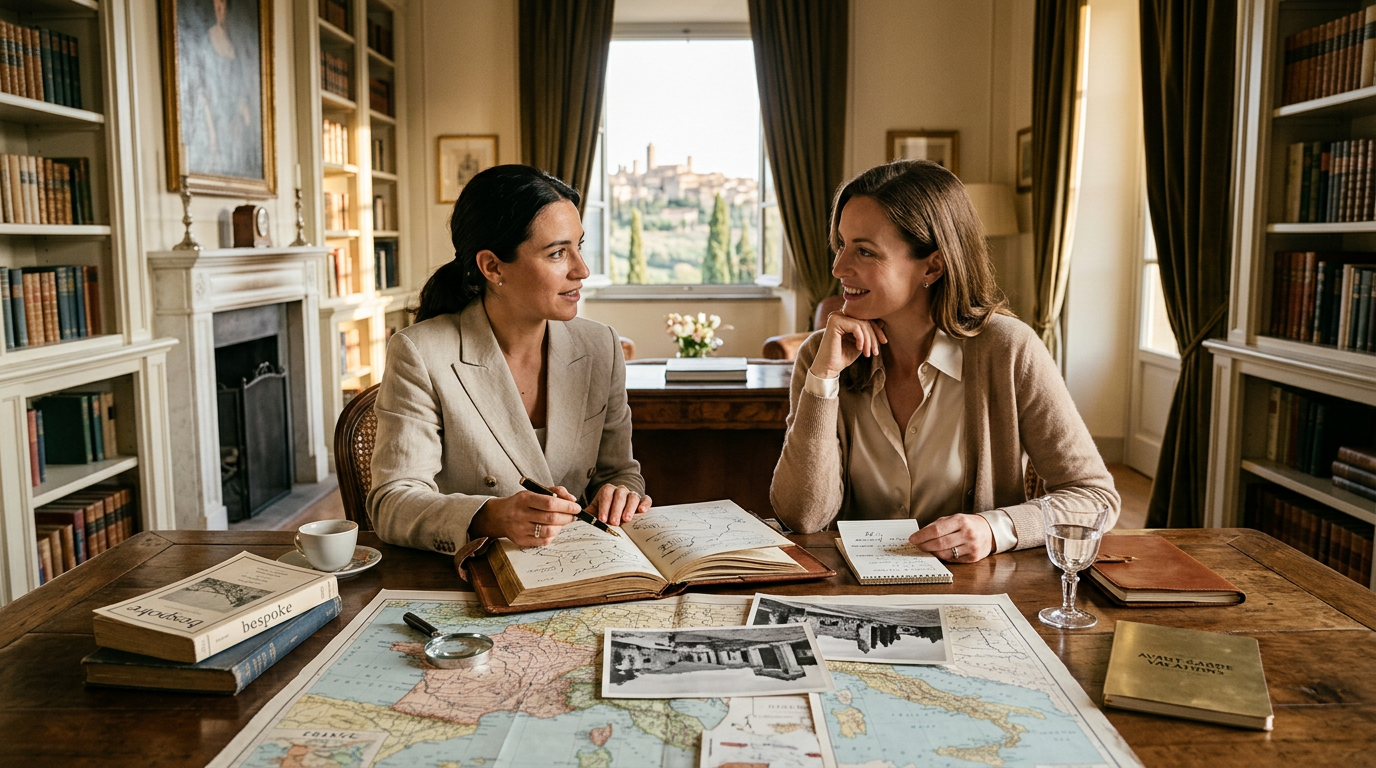
Creating a bespoke heritage itinerary begins with a deep understanding of your personal interests and historical passions, which are then woven into a seamless, private-guided journey. The process is a collaborative dialogue between you and a travel designer, translating your curiosity about the Roman Empire, the Renaissance, or World War II into a tangible, day-by-day travel plan. This is where expertise becomes invaluable, as a specialist can suggest unique experiences you may not have known were possible. For instance, instead of just visiting the Colosseum, your itinerary could include a private lesson with a gladiator historian, providing a hands-on connection to ancient Rome’s formidable legacy.
This tailored approach allows for a multi-faceted exploration of Europe's heritage. A journey could focus on the continent’s rich winemaking history, which, as noted by Jacada Travel, stretches back thousands of years and preserves distinctive local grapes and techniques from one region to the next. Your itinerary might take you from the rolling hills of Tuscany to the prestigious Champagne houses of France, with private tastings and tours at each stop. Alternatively, you could trace the footsteps of artistic masters, from Florence's Renaissance masterpieces to the Impressionist landscapes of Normandy, all arranged with private transportation and expert art historians to guide your way.
The logistical complexities of a multi-destination European journey are handled with flawless precision. Seamless connections between cities, whether by high-speed train, private vehicle, or charter flight, are all pre-arranged. Accommodations are carefully selected to enhance the historical narrative—perhaps a converted medieval castle in Germany's Rhine Valley or a grand Belle Époque hotel in Vienna. This meticulous planning ensures that your focus remains entirely on the experience, allowing you to fully immerse yourself in the culture and history surrounding you without the stress of managing travel details on your own.
Iconic Destinations for Luxury Heritage Travel
Europe’s most iconic heritage destinations, such as Italy, Greece, and the United Kingdom, offer unparalleled opportunities for immersive historical travel when explored through a luxury lens. In Italy, a private-guided journey can transport you from the ancient heart of the Roman Empire, with exclusive access to the Vatican and Roman Forum, to the cradle of the Renaissance in Florence. Imagine cruising across Lake Garda, Italy’s largest lake, in a private boat before retreating to a magnificent villa. These curated experiences allow you to engage with Italy’s monumental history on an intimate and personal level, far from the bustling crowds.
Greece, the birthplace of Western civilization, offers a profound connection to the ancient world. Beyond the Acropolis, a bespoke journey can lead you to the Peloponnese peninsula, where you can explore the UNESCO World Heritage site of Mystras and discover ancient wellness philosophies. On the island of Lesvos, where olive cultivation dates back at least 3,000 years, you can enjoy a private tasting of world-renowned olive oil. As highlighted by Condé Nast Traveler, new trail networks are making these historic landscapes even more accessible for curated exploration. Exploring Greece in October or December can also provide a more private cultural escape, as detailed in our blog.
In the United Kingdom, luxury heritage travel provides a window into centuries of royal history and literary genius. In London, your private guide can offer fresh perspectives on iconic landmarks like the Tower of London and Westminster Abbey. Beyond the capital, you can gain exclusive access to historic houses and estates not typically open to the public. As reported by Condé Nast Traveler, platforms like HeritageXplore are creating unique opportunities to delve into Britain's aristocratic past. A thoughtfully arranged itinerary might include a visit to the medieval city of Heidelberg in Germany before crossing into England, weaving a larger European narrative together seamlessly.
Central Europe’s Imperial Grandeur
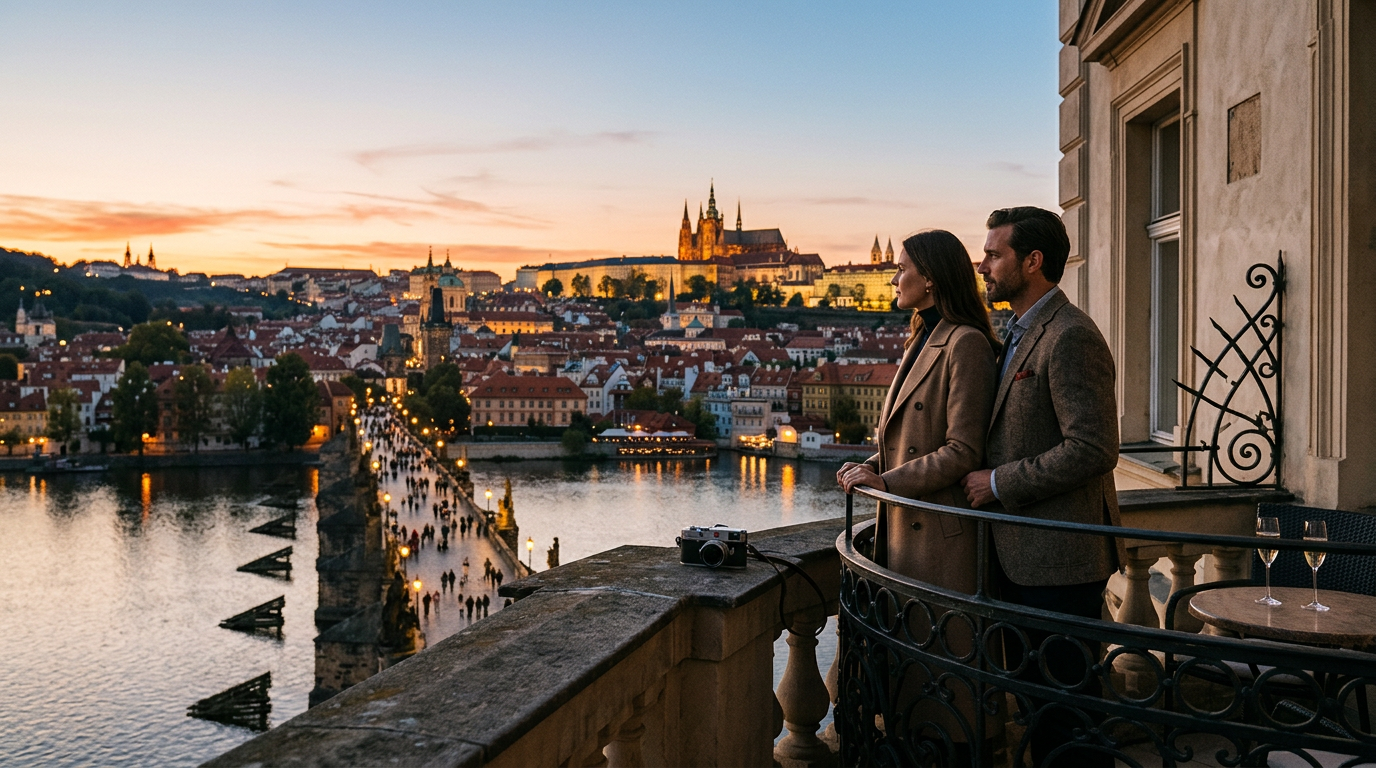
The imperial cities of Central Europe—Vienna, Prague, and Budapest—present a captivating journey into the heart of the Habsburg Empire's artistic and architectural legacy. In Vienna, the “City of Music,” a private tour can reveal the secrets of Schönbrunn Palace and the Hofburg, followed by an evening at the State Opera in a premium box. Prague’s fairytale skyline of Gothic and Baroque spires is best explored with a knowledgeable guide who can lead you through the quiet courtyards of Prague Castle and across the iconic Charles Bridge at dawn, sharing stories that bring the city’s thousand-year history to life.
Budapest, the “Pearl of the Danube,” offers a unique blend of grandeur and therapeutic tradition. Your heritage journey here could include a private, after-hours visit to one of the city's historic thermal baths, an experience that connects you to a wellness ritual dating back to Roman times. A private Danube River cruise at sunset provides breathtaking views of the illuminated Parliament Building, offering a moment of serene reflection on the city's tumultuous and triumphant past. This level of curated access ensures your exploration of Central Europe's heritage is both magnificent and deeply personal.
The Role of a Private Guide in Heritage Exploration
A private guide is the cornerstone of a true luxury heritage experience, transforming a tour into an engaging, university-level masterclass tailored to you. These are not mere presenters of facts and dates; they are passionate historians, art critics, and cultural insiders who possess a deep, nuanced understanding of their home. A great guide can read your interests in real-time, adjusting the narrative to focus on what fascinates you most, whether it’s the political intrigue of the Tudor court or the architectural innovations of the Bauhaus movement. Their expertise provides the context that turns a beautiful building into a living story.
Beyond their scholarly knowledge, private guides provide invaluable logistical advantages and local access. They can navigate bustling city centers with ease, lead you to hidden gems that never appear in guidebooks, and secure reservations at exclusive restaurants. In a city like Rome, your guide can time your visit to the Pantheon perfectly to see the light from the oculus illuminate the interior, or in St. Petersburg, they can pre-arrange entry to the Hermitage Museum to focus on your preferred collection. This seamless orchestration of the day allows you to remain fully present and absorbed in the historical discovery.
Furthermore, these guides often open doors to truly unique encounters. Through their personal networks, you might find yourself speaking with a curator at a small museum, a restorer working on a Renaissance fresco, or even a member of an old aristocratic family. These personal connections are the hallmark of luxury European heritage travel, offering authentic moments of cultural exchange that are simply not available to the general public. It is this human element that elevates a trip from a series of sightseeing stops to a collection of cherished, lifelong memories.
Beyond History: Integrating Your Other Passions
A truly bespoke itinerary skillfully integrates your passion for history with other interests, such as gastronomy, art, or even sports, creating a holistic and deeply personal journey. Luxury European heritage travel does not exist in a vacuum; it is about experiencing a culture in its entirety. For the culinary enthusiast, a historical tour of Sicily could be interwoven with private cooking classes focusing on ancient recipes, or a journey through Spain could include both visits to Moorish palaces and reservations at Michelin-starred restaurants that reinterpret traditional Iberian cuisine. This fusion of interests makes the historical context even more vibrant.
For the art lover, a heritage tour can be curated to follow the life of a particular artist or movement. Imagine tracing the path of Caravaggio through Rome and Malta, with private viewings of his works in churches and galleries, guided by an expert in Baroque art. For those interested in contemporary art, a visit to Slovenia, as mentioned by Condé Nast Traveler, could combine a tour of Bled Castle with the opening of a new modern art museum. This thematic approach adds a compelling narrative layer to your travels, connecting historical periods with their artistic legacies.
Even passions like sports can be woven into a heritage itinerary. A trip to the United Kingdom could include attending the Wimbledon Championships while also exploring the rich history of London. At AVANTGARDE VACATIONS, we can arrange for premium seating and hospitality at major sporting events as part of a wider cultural tour. This integration of diverse interests is central to the philosophy of bespoke travel; it acknowledges that a traveler's passions are multifaceted and designs an itinerary that reflects their unique identity, ensuring a journey that is both historically enriching and personally fulfilling.
The Future of European Heritage Travel
The future of luxury European heritage travel lies in even greater personalization, exclusivity, and a commitment to preserving the very history it celebrates. As discerning travelers continue to seek more meaningful experiences, the demand for unique access and authentic encounters will only grow. This trend is shaping how historical sites are managed and presented, with a greater emphasis on small-group or private tours that minimize impact and maximize engagement. The German luxury travel market, which was projected to generate $130.1 billion in 2025, according to CBI, is a powerful indicator of this demand for high-quality, experience-focused travel.
Technology will also play a role in enhancing the heritage experience, from augmented reality reconstructions of ancient sites to digital archives that provide deeper context during a private tour. However, the core of the luxury experience will remain fundamentally human: the expertise of a passionate guide, the seamless service of a dedicated travel designer, and the authentic connections made with local communities. As we look toward the future, the goal is to continue crafting journeys that are not just trips, but legacies of their own—collections of memories and knowledge that enrich one's understanding of the world.
Ultimately, engaging in luxury European heritage travel is an investment in a deeper understanding of our shared global history. It’s a recognition that the stories of emperors, artists, and revolutionaries are not confined to museums but are etched into the very stones of Europe's cities and landscapes. By exploring this vast legacy through a lens of comfort, exclusivity, and intellectual curiosity, you do more than just see Europe—you connect with its soul, creating a personal narrative that will resonate long after you return home.