


For the discerning traveler, the prospect of a European culinary journey is endlessly enticing, yet the digital landscape is saturated with countless eating Europe reviews that can feel both overwhelming and undifferentiated. Sifting through this volume of information to find truly exceptional experiences requires a refined approach. The modern epicurean understands that a five-star rating doesn't always equate to a five-star experience, particularly when luxury is defined by exclusivity, personalization, and authentic connection rather than mass appeal. This guide is designed to navigate beyond the surface, offering insight into how to interpret reviews, identify truly bespoke opportunities, and ultimately, design a gastronomic journey that reflects your unique palate and travel style.
Discerning the Best: How to Interpret Eating Europe Reviews
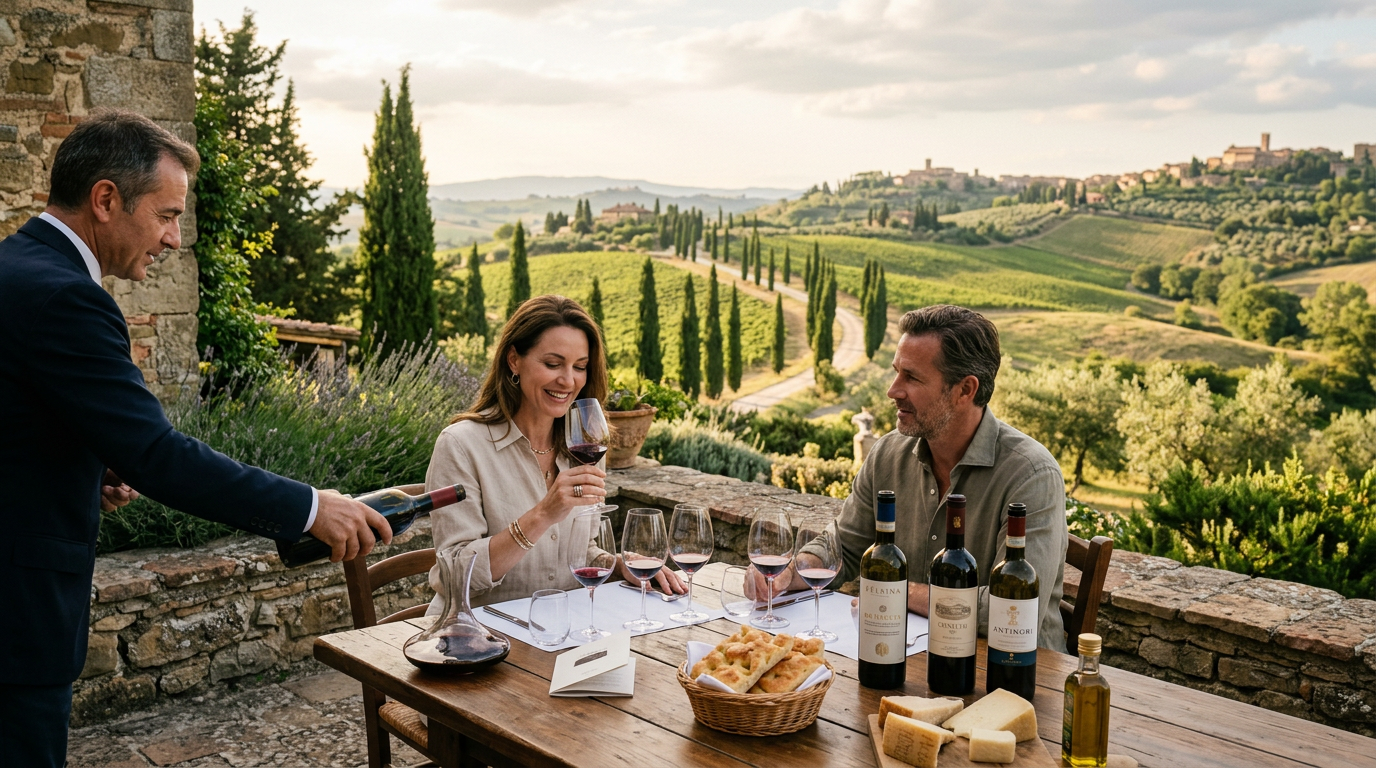
In the world of luxury travel, reviews are less a simple verdict and more a collection of clues. When evaluating culinary tours or dining experiences, look past the generic praise and seek out narratives that speak to the quality of the engagement. Search for terms like “private access,” “expert local guide,” “behind-the-scenes,” or “tailor-made.” These phrases often indicate a level of service and exclusivity that transcends the typical group tour format. A review detailing a private cooking class in a Tuscan villa or a personal introduction to a master cheesemaker in the French countryside holds more weight for a sophisticated traveler than a dozen reviews praising a crowded market tour’s food samples.
Furthermore, consider the source and subtext of the reviews you encounter. Are they from travelers whose priorities align with your own? Many popular tour platforms cater to a budget-conscious, fast-paced travel style, and their reviews will naturally reflect this. A discerning traveler should instead look for feedback on specialized forums, in high-end travel publications, or through trusted advisors. While Americans often book trips independently, the complexity of crafting a seamless, multi-layered itinerary often benefits from professional curation, ensuring that every reservation and experience meets an exacting standard of excellence, a detail rarely captured in a simple online review.

The Rise of Culinary Destinations: Beyond the Obvious
While the gastronomic reputations of Paris, Rome, and Barcelona are well-established, the most exciting culinary stories are now being written in less-traveled locales. True epicurean discovery often lies just beyond the tourist hubs, in regions experiencing a renaissance. As National Geographic highlighted in its Best of the World selection, Czechia is emerging as Europe’s next great food destination. The recent expansion of the Michelin guide beyond Prague signals a nationwide culinary revival, where chefs like Július Löffler are applying modern techniques to traditional Czech staples in intimate, elegant settings, a movement best appreciated now while reservations remain attainable.
This trend extends to the sun-drenched islands of the Mediterranean. Crete, recently honored as a European Region of Gastronomy, offers a profound connection to the origins of the Mediterranean Diet. On a private-guided tour of Crete, the journey is not just about tasting, but about understanding the millennia-old connection between land, food, and culture, from the ancient Minoan palaces to today’s organic olive groves. For the Avantgarde traveler, seeking out these ascending destinations is part of the allure, offering a chance to be at the forefront of a culinary movement and experience a destination with a depth that eludes the casual visitor.
Slow Food, Slow Travel: A Philosophy of Epicurean Exploration
The contemporary ethos of luxury travel is increasingly synonymous with a slower, more deliberate pace. Recent data confirms a rising interest in “slow travel,” with travelers, especially those over 50, opting for longer, more immersive stays. This philosophy is the perfect complement to a culinary-focused journey. Rushing through multiple countries on a whirlwind tour allows only a superficial taste of each culture’s cuisine. In contrast, dedicating a week or more to a single region unlocks a world of deeper gastronomic understanding and pleasure.
A slower pace creates the space for spontaneity and genuine connection, cornerstones of a bespoke travel experience. It allows for languid afternoons spent exploring a local market with your private guide, deciding on the evening’s menu together before a hands-on cooking session. It affords the time for a multi-course tasting menu at a Michelin-starred restaurant without the pressure of an early morning departure. This approach transforms a vacation from a checklist of sights into a rich, narrative experience, a sentiment echoed by findings that travelers are increasingly favoring deeper, single-destination explorations.
This deliberate approach is especially beneficial for multi-generational family journeys, where varied paces and interests must be accommodated. A leisurely itinerary allows grandparents to share their love of fine dining, while younger family members might enjoy a private pizza-making class in Naples. The focus shifts from transit to togetherness, with shared meals becoming the central, binding element of the travel experience. By embracing a slower rhythm, you are not just seeing a place; you are savoring it, creating memories that linger long after the flavors have faded, a concept central to planning a successful multi-generational European journey.
Crafting a Bespoke Itinerary from Eating Europe Reviews
Once you have analyzed the patterns within eating Europe reviews and identified the experiences that resonate, the next step is weaving them into a seamless, tailor-made itinerary. This is where expertise and personal connections become invaluable. Perhaps a review mentioned a small, family-owned winery in Spain's Rioja region or an exclusive truffle hunt in Italy's Piedmont. An expert travel designer can not only secure your access to these sought-after experiences but can also build a logical and enjoyable journey around them, complete with private transfers, luxury accommodations, and a knowledgeable local guide who can further personalize the discovery.
The goal is to move beyond the limitations of pre-packaged tours, which, as ETIAS reports, are losing ground to more flexible and independent travel styles. Your culinary preferences should dictate the itinerary, not the other way around. Whether your passion is for the complex flavors of Sicilian street food, the refined elegance of Parisian patisseries, or the robust traditions of a Bavarian beer hall, a bespoke journey ensures that your palate leads the way. This level of customization is the essence of modern luxury travel, transforming inspiration gleaned from reviews into a tangible, flawlessly executed reality.

The Enduring Value of a Private Guide
In the context of a culinary tour, a private guide is not merely a navigator; they are a cultural translator, a storyteller, and a curator of taste. They possess the local knowledge to distinguish the tourist traps from the hidden gems, often bypassing the very places that receive the most generic online praise. Your guide can pivot the day’s itinerary based on a new discovery—perhaps a local festival or a fisherman bringing in an exceptional catch. They can translate a menu, introduce you to a chef, and share the stories behind the dishes you are enjoying.
This human element is the ultimate luxury, providing a level of nuance and responsiveness that no app or online review can replicate. When you read eating Europe reviews that mention a guide by name, noting their warmth, expertise, and ability to personalize the day, you are seeing the hallmark of a truly elevated experience. It is this relationship that transforms a simple food tour into an enriching cultural exchange, making the difference between merely eating in Europe and truly understanding its culinary soul, a core tenet of our epicurean's guide to Europe.
Beyond the Plate: Food as a Cultural Keystone
Ultimately, the most profound culinary journeys are those that recognize food not as an isolated activity but as an integral thread in the cultural fabric of a destination. A meal can be a history lesson, a work of art, a family tradition, and a celebration of place all at once. Understanding this connection is key to a fulfilling travel experience. For instance, a private tour of the Acropolis in Athens can be wonderfully complemented by a subsequent meal exploring the ancient flavors and ingredients that have shaped Greek cuisine for millennia, linking a visit to a historical site with its living, breathing heritage.
When planning your itinerary, think about how culinary experiences can enhance your understanding of European heritage and art. In Florence, a viewing of Renaissance masterpieces can be followed by a tasting of wines and cheeses from the very same Tuscan hills that inspired the artists. In Vienna, a night at the opera feels all the more decadent when preceded by coffee and cake in a historic kaffeehaus. This holistic aapproach, which we explore in our discussion of European heritage travel, elevates a trip from a series of pleasant moments to a deeply resonant and cohesive journey.
By thoughtfully integrating dining with other cultural pursuits, you create a richer, more immersive narrative for your travels. The experience is no longer just a collection of meals, but a story of a place and its people, told through its most immediate and accessible medium. Embracing this perspective ensures your journey is not only delicious but also deeply meaningful, providing a lasting appreciation for the destination that goes far beyond what is served on the plate.